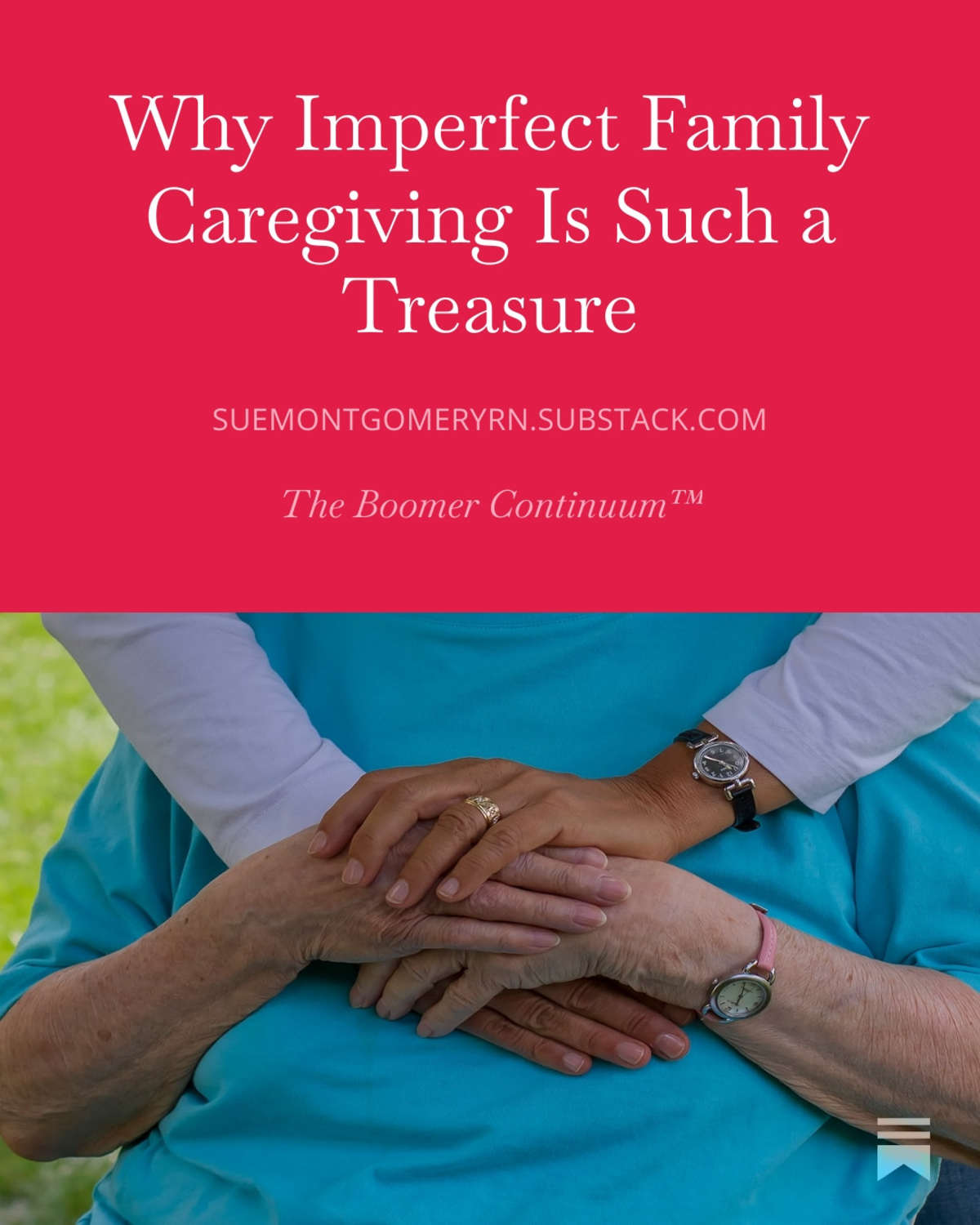
As I was growing up, my mom and dad certainly wanted me to do well.
They gave me incredible support and encouragement, always reminding me they were proud of me.
However, within that context, they emphasized it wasn’t the outcome that mattered most, but the effort I applied.
“Sue, it’s not whether you succeed that matters to us,” they’d say. “Just that you give your best effort in whatever you do.”
Maybe that’s not an exact quote, but it’s pretty close.
That sentiment supported my self-esteem then and helped to form the foundation of my life in the years after.
Viewing family caregiving through a similar lens
I can’t begin to count how many people I’ve provided care for throughout my life, and much of that has been as a professional caregiver within various nursing roles.
In that context, the caregiver is usually more polished and mostly rested, supported by a team of colleagues, and armed with the experience and expertise needed to get the job done.
Compare that to the family caregiver who is frequently exhausted, overwhelmed by the need to handle so much on their own, and perhaps unsure about what in the world they should expect or do next.
It may seem the former would be preferable to the latter.
But a family caregiver has the secret ingredients no one else can provide: the deep love and commitment needed to try.
The who and where of family caregiving
When I refer to family caregivers, I’m not just talking about those related by biology or marriage, though the majority are. But anyone who cares enough to step up to the plate to help a loved one in need.
I’m also not referring strictly to caregivers who care for a loved one at home. Doing so isn’t always possible and having a loved one reside in a facility setting of some type may be the best option.
The family caregiver in this context is also often exhausted and overwhelmed by the ongoing advocacy needed to ensure a loved one is safe, enjoys the best possible quality of life, and receives the excellent and compassionate care they deserve.
Finding treasure within the imperfections
So what does my parents’ philosophy about effort and achievement have to do with family caregiving?
You’ve likely guessed it by now.
If you’re a family caregiver in any context, it’s not whether you do things “perfectly” that matters, but that you care enough to wade into the challenges despite your “imperfect” efforts and give it your best to try.
To me, that speaks volumes about love.
I bet it does to your loved one, too.
And if you’re a former and current family caregiver like me, beware the hazards of engaging in retrospective critique.
It’s common (and typically not helpful) to look back and think we should’ve done this or that differently when it comes to a loved one’s care, which is easy to do when you’re not in the midst of it.
Who you are today in your more rested and objective state is not who you were then when you were exhausted, overwhelmed by challenges, and just doing your best.
What matters most is that you loved enough to try.
Mom and me
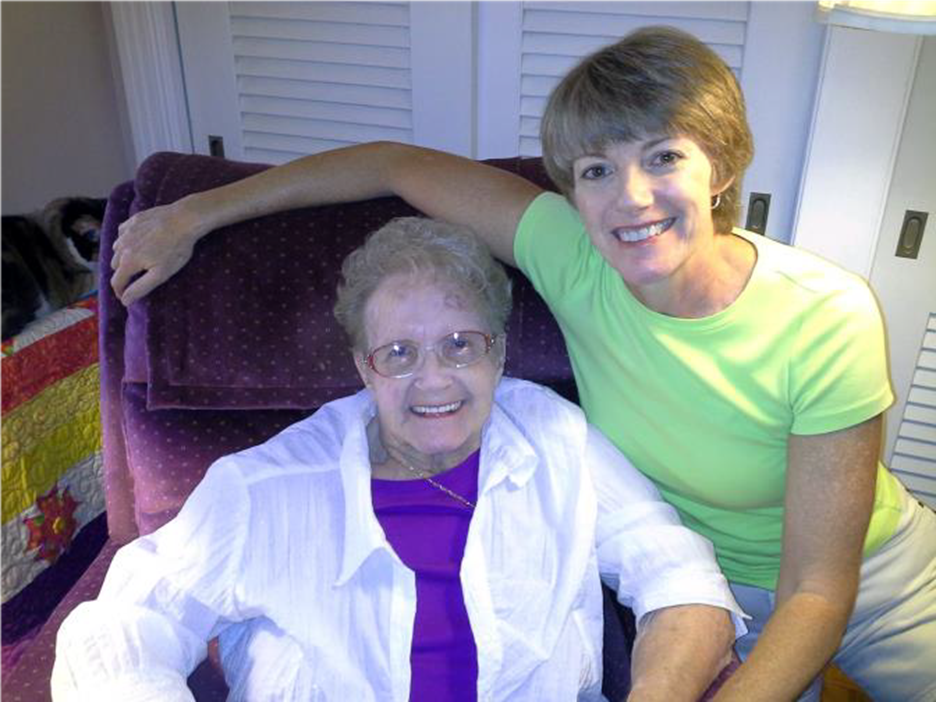
In my case, I was blessed that my mom always appreciated my efforts, even if they were pretty imperfect at times.
That’s because she knew how much I loved her, and I knew how much she loved me.
Which is what mattered most to us both.
Family caregiving is a journey that you and your loved one travel together.
Your love for each other is a treasure to cherish as you accept the imperfections that are just part of the trip.
Want to leave a comment? Just hop over to my Substack, and go for it.
Want more of my content? Please subscribe here.
Photo by Dulcey Lima on Unsplash